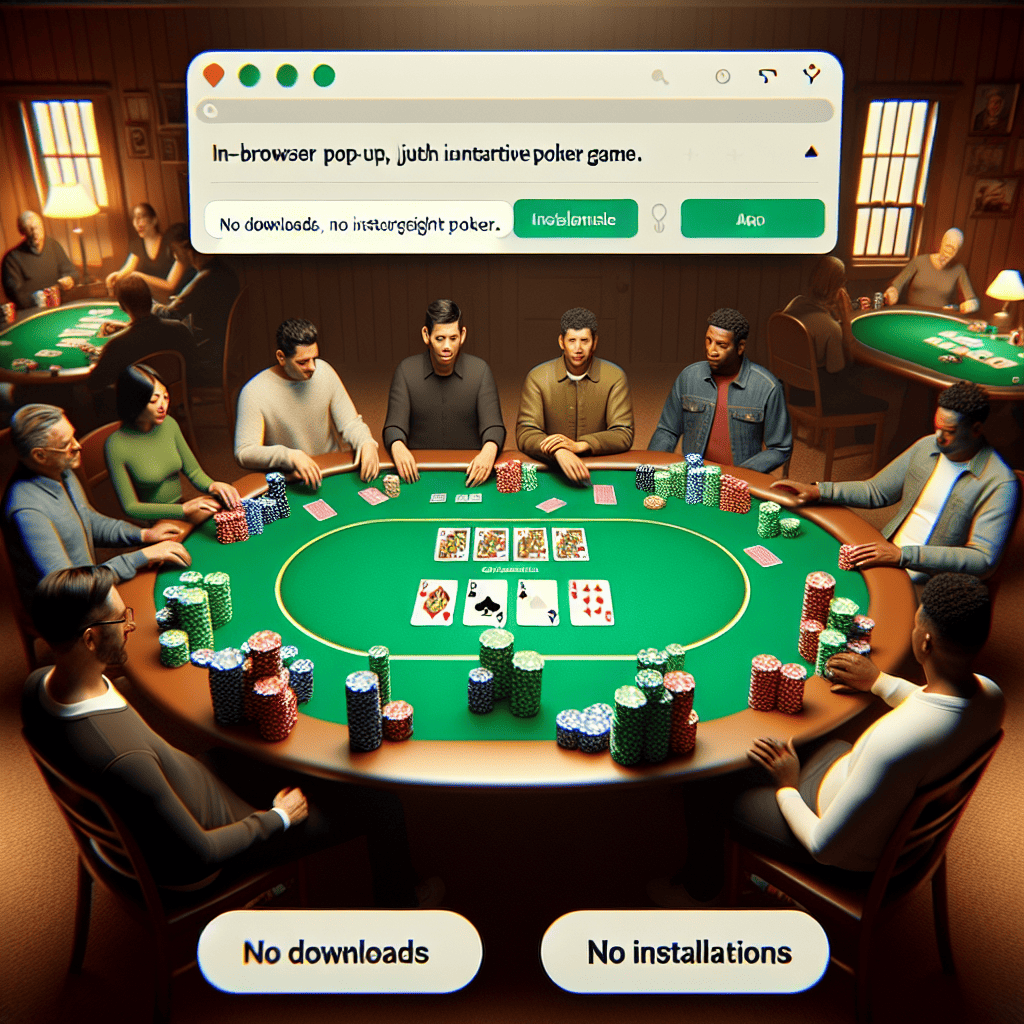
How Many Professional Poker Players Are There? An In-Depth Exploration

Poker has evolved from a simple card game played in smoky backrooms to a global phenomenon, complete with televised tournaments, sponsorships, and a dedicated fan base. As the game has grown, so too has the number of individuals who pursue it as a profession. But just how many professional poker players are there? This article delves into the world of professional poker, examining the numbers, the factors that influence them, and what it truly means to be a professional in this competitive arena.
The Landscape of Professional Poker
To understand how many professional poker players exist, we first need to define what it means to be a “professional” in this context. Generally, a professional poker player is someone who earns a significant portion of their income from playing poker. This can include tournament winnings, cash games, sponsorships, and even streaming their gameplay online.
According to various estimates, the number of professional poker players worldwide ranges from a few thousand to tens of thousands. The discrepancy in these numbers can be attributed to several factors:
- Definition Variability: What constitutes a professional player can vary. Some may consider anyone who plays for money as a professional, while others may set a higher threshold, such as consistent earnings over a certain period.
- Online vs. Live Players: The rise of online poker has created a new breed of professional players who may not participate in live tournaments but still earn a living through online platforms.
- Regional Differences: The popularity of poker varies by region, affecting the number of professionals in different parts of the world.
Statistics and Estimates
While precise numbers are hard to come by, several studies and reports provide insight into the professional poker landscape:
- World Series of Poker (WSOP): The WSOP is one of the most prestigious poker tournaments globally, attracting thousands of players each year. In 2022, over 8,600 players entered the Main Event, but only a fraction of these can be considered professionals.
- Online Poker Platforms: Websites like PokerStars and 888poker have millions of registered users, but only a small percentage—estimated at around 1-2%—are full-time professionals.
- Professional Poker Association Memberships: Organizations like the Professional Poker Tour (PPT) and the World Poker Tour (WPT) have a limited number of members, often numbering in the hundreds, which gives a glimpse into the more elite segment of professional players.
Factors Influencing the Number of Professional Players
Several factors contribute to the fluctuating number of professional poker players:
- Market Trends: The poker boom of the early 2000s saw a surge in professional players, but interest has waxed and waned since then. Economic conditions, changes in gambling laws, and the rise of esports can all impact player numbers.
- Skill Level: The increasing skill level required to compete at a professional level has deterred many casual players from pursuing poker as a career. The game has become more strategic, with resources like training sites and coaching making it easier for serious players to improve.
- Income Stability: Unlike traditional jobs, poker is inherently risky. Many players may start as professionals but return to regular employment due to inconsistent earnings.
Case Studies: Notable Professional Players
To illustrate the diversity within the professional poker community, let’s look at a few notable players:
- Phil Ivey: Often referred to as one of the best poker players in the world, Ivey has won ten WSOP bracelets and has earned millions in both live and online tournaments. His success exemplifies the potential rewards of a professional poker career.
- Vanessa Selbst: A former hedge fund manager, Selbst is one of the most successful female poker players in history, with over $11 million in tournament earnings. Her journey highlights the increasing representation of women in professional poker.
- Daniel Negreanu: Known for his charismatic personality and strategic prowess, Negreanu has won six WSOP bracelets and is a prominent figure in the poker community. His success has helped popularize the game and inspire new players.
The Future of Professional Poker
As we look ahead, the landscape of professional poker is likely to continue evolving. Here are some trends that may shape the future:
- Increased Regulation: As more countries legalize online poker, we may see a rise in professional players, particularly in regions where the game was previously restricted.
- Technological Advancements: The use of artificial intelligence and data analytics in poker training is becoming more prevalent, potentially increasing the skill level of new professionals entering the field.
- Esports Integration: The crossover between poker and esports could attract a younger audience, leading to a new generation of professional players.
Conclusion: The Professional Poker Player Landscape
So, how many professional poker players are there? While estimates vary widely, it is clear that the number is significant and continues to evolve. The definition of a professional player is fluid, influenced by market trends, skill levels, and personal circumstances. As the game grows and changes, so too will the community of professional players, making it an exciting time to be involved in poker.
In summary, the world of professional poker is complex and multifaceted. With thousands of players vying for a spot at the table, the competition is fierce. However, for those who possess the skill, dedication, and resilience, the rewards can be substantial. Whether you’re a casual player or an aspiring professional, understanding the dynamics of this vibrant community can provide valuable insights into the game we all love.