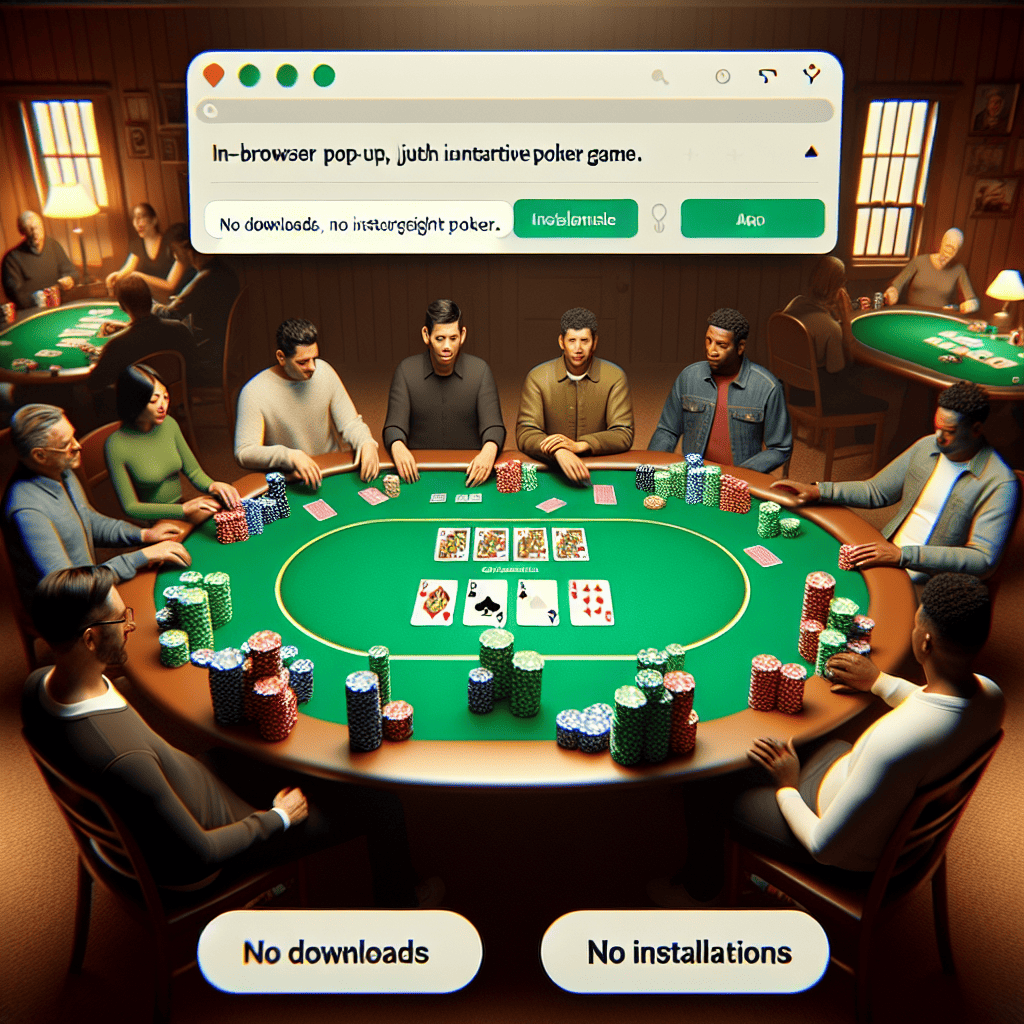
How Many Players In A Poker Game: Understanding the Dynamics

Poker is a game that has captivated millions around the globe, from casual home games to high-stakes tournaments. One of the most frequently asked questions by newcomers and seasoned players alike is, “How many players in a poker game?” The answer is not as straightforward as it may seem, as the number of players can significantly influence the dynamics, strategies, and overall experience of the game. In this article, we will explore the various formats of poker, the ideal number of players for different types of games, and how player count affects gameplay.
The Basics of Poker Player Count
At its core, poker is a game of skill, strategy, and psychology. The number of players can range from as few as two to as many as ten or more, depending on the variant being played. Here are some common formats:
- Heads-Up: This format involves just two players. It is often seen in tournament play, especially during the final stages.
- Short-Handed: Typically consists of 3 to 6 players. This format is popular in cash games and offers a faster pace.
- Full Ring: A full ring game usually accommodates 7 to 10 players. This is the most common setup for traditional poker games.
- Multi-Table Tournaments (MTTs): These can have hundreds or even thousands of players, divided into multiple tables.
How Many Players In A Poker Game: The Ideal Numbers
When considering how many players in a poker game is ideal, it’s essential to think about the type of poker being played and the desired experience. Here’s a breakdown of player counts and their implications:
1. Heads-Up Games
In heads-up poker, the game becomes intensely personal. Players must rely heavily on their skills and psychological tactics. The limited number of players means that:
- Each hand is played more aggressively.
- Players have to adapt quickly to their opponent’s style.
- Bluffing becomes a more critical component of the strategy.
2. Short-Handed Games
Short-handed games (3-6 players) strike a balance between aggression and strategy. Here, players can expect:
- More frequent action, as players are dealt more hands.
- A need for a wider range of starting hands, as the odds shift.
- Increased opportunities for bluffing and semi-bluffing.
3. Full Ring Games
Full ring games (7-10 players) are often seen as the standard for many poker enthusiasts. The dynamics here include:
- A more conservative approach, as players wait for stronger hands.
- Increased emphasis on position and table dynamics.
- Less frequent action, leading to a more strategic game.
4. Multi-Table Tournaments
In MTTs, the number of players can be overwhelming, but it also adds excitement. Key points include:
- Players must manage their chip stack carefully over many levels.
- Strategies evolve as players are eliminated and tables are consolidated.
- Understanding the dynamics of larger fields is crucial for success.
Impact of Player Count on Strategy
The number of players in a poker game directly influences the strategies employed. Here’s how:
- Hand Selection: In a full ring game, players may only play premium hands, while in short-handed games, a wider range is often necessary.
- Positional Awareness: The importance of position increases with more players. In heads-up, every position is critical, while in full ring, late position can be a significant advantage.
- Bluffing Frequency: Bluffing is more common in short-handed games, where players are more likely to fold to aggression.
Case Studies: Real-World Examples
To illustrate the impact of player count, let’s look at a couple of real-world scenarios:
- World Series of Poker (WSOP): In the 2021 WSOP Main Event, over 6,000 players participated, showcasing the excitement and strategy involved in multi-table tournaments.
- Online Poker Platforms: Sites like PokerStars often host both heads-up and full ring games, allowing players to choose their preferred format based on their skill level and comfort.
Conclusion: Finding Your Ideal Game
Understanding how many players in a poker game can significantly enhance your experience and strategy. Whether you prefer the intensity of heads-up play or the strategic depth of a full ring game, each format offers unique challenges and rewards. As you explore different player counts, consider your own playing style, the dynamics of the game, and the strategies that resonate with you. Ultimately, the best poker game is one that aligns with your preferences and skill level, allowing you to enjoy the rich tapestry of this timeless game.