How Many People Can Play Poker? Understanding the Game’s Capacity
Have you ever been ready to deal some cards with friends, but wondered, “Just how many people can join a poker table?” The truth is, there’s no simple, one-size-fits-all answer. The number of participants depends on the type of poker, the setting (whether online or live), and even the format of the game (cash or tournament). Let’s break it all down so you know exactly what to expect the next time you get that poker itch.

1. The Basics: What Dictates Player Capacity?
- Poker Variant: Different games—like Texas Hold’em, Omaha, or Seven-Card Stud—come with different “best practices” for table sizes.
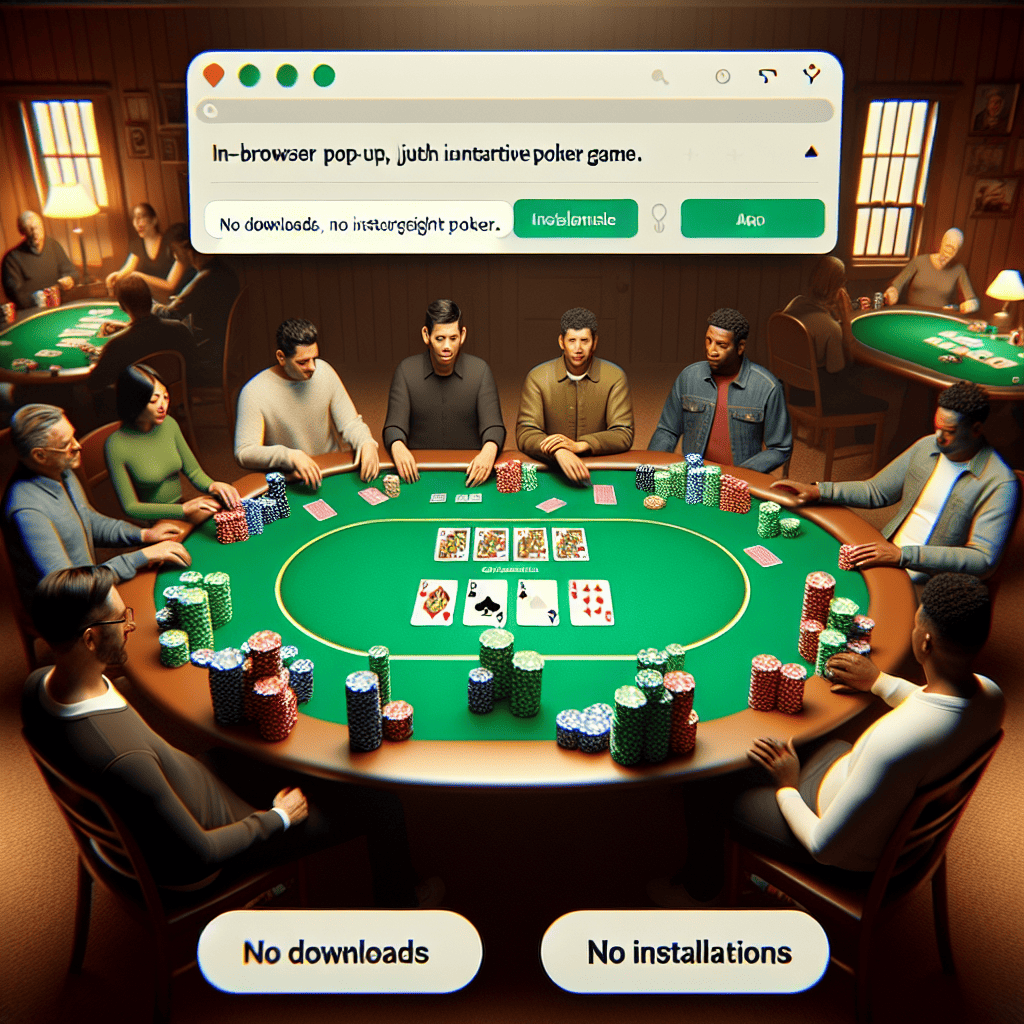
- Table Size: Physical casino tables usually max out around 9 or 10 seats. Online, it can be 6-handed tables, 9-handed, or other configurations.
- Game Format: Cash games typically stick to one table with a set number of seats. Tournaments, however, can swell to hundreds or even thousands of players spread across multiple tables.
2. Common Poker Variants and Their Typical Player Limits
- Texas Hold’em: Likely the most popular variant, with 2-10 players per table in a casual setting. In large tournaments (like the WSOP Main Event), you can have thousands of participants split across many tables.
- Omaha: Similar range—2 to 10 players at a single table. Omaha Hi/Lo can also be found in both 6-max and full-ring formats.
- Seven-Card Stud: More “old-school” and often played with 2 to 8 players. Dealing many cards to each person naturally caps the player count.
- Razz: Essentially the lowball version of Stud, also fitting 2 to 8 players around the table.
- Chinese Poker: Usually 2 to 4 players, as everyone needs to set up multiple hands (front, middle, back).
3. Cash Games vs. Tournaments: Different Dimensions
- Cash Games: Typically 2 to 9 (or 10) players per table. It’s a free-flow format: new players can hop in, others can leave when they like.
- Tournaments: From small 9- or 10-player “Sit & Go” tables all the way up to major events with thousands of entrants (like the WSOP). Early stages often involve many tables; as players get eliminated, tables consolidate until a final table remains.
4. The Online Poker Revolution
- Multi-Table Tournaments (MTTs): Online sites can run massive MTTs with thousands of players—like Sunday Million events on some platforms.
- Multiple Tables: Players can sit at multiple tables simultaneously online (something you can’t do in a live setting).
- Global Player Pool: You might be playing against someone from New Zealand, another from Canada, and yet another from Brazil, all at the same table.
5. Real-World Examples
- WSOP Main Event: Arguably the biggest live poker tournament, it can attract 6,000-8,000+ players. Everyone’s split across hundreds of tables, gradually merging until only one table remains.
- European Poker Tour (EPT): Big stops regularly exceed 1,000 entries, proving huge live fields aren’t just an American thing.
- Online Tournaments: Major sites host weekly events with thousands of entrants. Some special series (like WCOOP on PokerStars) can hit five figures in player counts.
6. Picking the Right Format for You
So, how many people should you play with? It depends on personal preference:
- Small, Intimate Games (2-6 Players): Great for fast-paced action and more frequent decisions. 6-max tables are popular online because they encourage aggressive play.
- Full Ring (7-10 Players): Slower pace, but often a more traditional feel. Many live games in casinos seat 9 or 10 players.
- Massive Tournaments: If you love the thrill of competing against huge fields and chasing life-changing prizes, big tournaments with hundreds or thousands of players might be your jam.
Final Thoughts
Ultimately, the question, “How many people can play poker?” has many answers—and that’s part of the fun. Whether it’s a cozy home game with three buddies, a 9-handed table in your favorite local casino, or an online tournament with thousands of players worldwide, poker can adapt to virtually any group size or style of play. That flexibility is one reason the game remains so universally beloved.
So next time you think about hosting or joining a game, consider what format and how many players you enjoy most, and dive right in. With poker, the table can always expand, and there’s always room for one more—be it across the table or around the world.