How Many Cards Do You Need to Play Poker? A Comprehensive Guide

Poker is a game that has captivated millions around the world, from casual home games to high-stakes tournaments. One of the most fundamental questions for both beginners and seasoned players alike is: “How many cards do you need to play poker?” The answer varies depending on the type of poker being played, the number of players, and the specific rules of the game. In this article, we will explore the different variations of poker, the number of cards required for each, and some strategic insights to enhance your gameplay.
The Basics of Poker
Before diving into the specifics of card requirements, it’s essential to understand the basic structure of poker. At its core, poker is a game of skill, strategy, and chance, where players bet on the strength of their hands. The game can be played with a standard 52-card deck, and the number of cards dealt can vary significantly based on the variant being played.
How Many Cards Do You Need to Play Poker? A Breakdown by Variants
Different poker variants have different rules regarding the number of cards dealt. Here’s a breakdown of some popular types of poker and their card requirements:
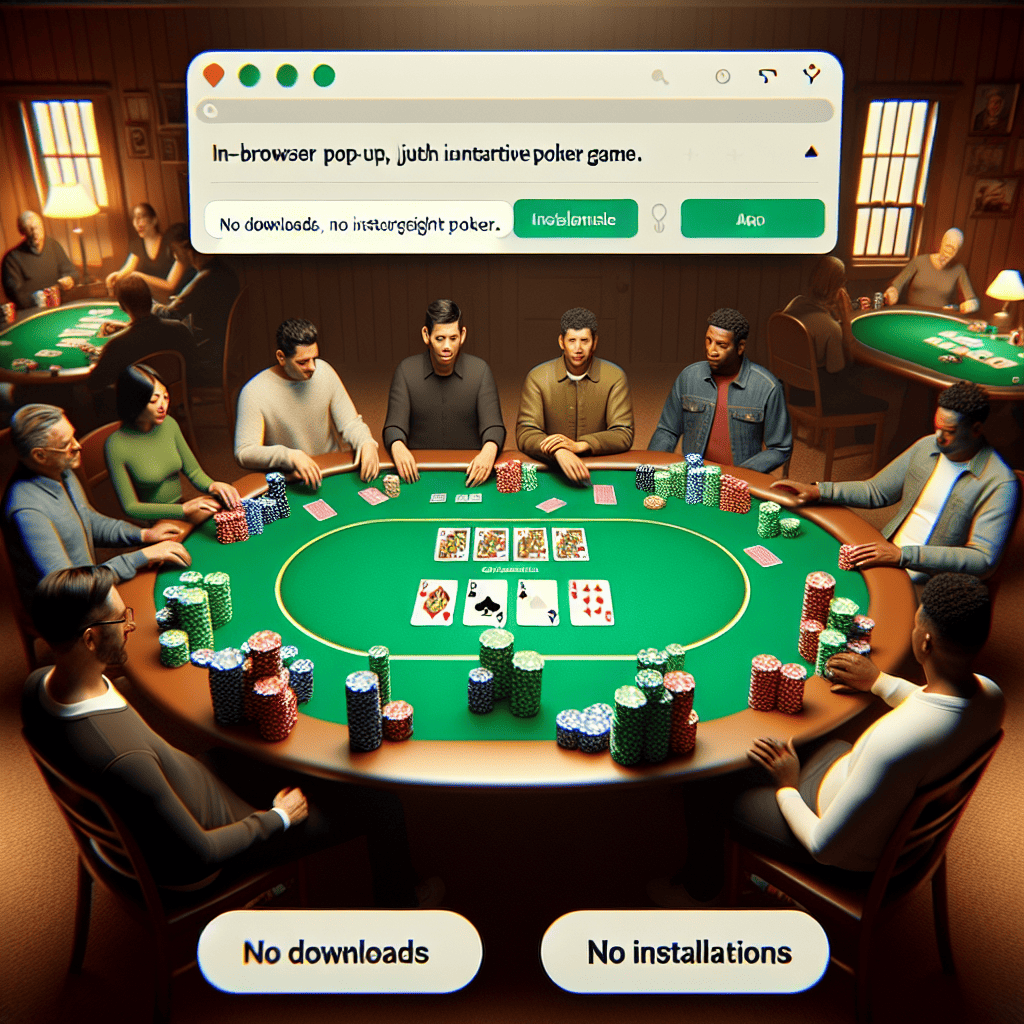
- Texas Hold’em: Each player is dealt two private cards (known as hole cards), and five community cards are placed face-up on the table. Thus, a total of 7 cards are used per player, but only 5 are used to make the best hand.
- Omaha: Similar to Texas Hold’em, but each player receives four hole cards instead of two. Players must use exactly two of their hole cards and three of the community cards to form their hand. This variant uses a total of 7 cards per player as well.
- Seven Card Stud: In this classic variant, players are dealt a total of seven cards—three face-down and four face-up. There are no community cards in this game, and players must make the best five-card hand from their seven cards.
- Five Card Draw: Each player is dealt five private cards, and after a round of betting, they can exchange some or all of their cards for new ones in an attempt to improve their hand. This variant uses 5 cards per player.
- Pineapple: A variant of Texas Hold’em, players are dealt three hole cards and must discard one after the flop. Like Texas Hold’em, it uses community cards, totaling 7 cards per player.
Understanding the Card Dynamics in Poker
Now that we’ve established how many cards you need to play poker, it’s crucial to understand the dynamics of these cards in gameplay. The number of cards dealt influences not only the strategy but also the overall experience of the game.
Community Cards vs. Private Cards
In games like Texas Hold’em and Omaha, community cards play a significant role. These cards are shared among all players and can create complex strategies. Here’s how they impact gameplay:
- Strategic Betting: The presence of community cards allows players to gauge the strength of their hands relative to others, leading to more strategic betting.
- Bluffing Opportunities: Community cards can create opportunities for bluffing, as players may represent stronger hands than they actually have.
- Hand Evaluation: Players must evaluate their hands based on both their hole cards and the community cards, adding layers of complexity to decision-making.
Private Cards and Their Importance
In contrast, private cards (or hole cards) are unique to each player and can significantly influence the game’s outcome. Here’s why they matter:
- Initial Hand Strength: The strength of a player’s hole cards can dictate their initial betting strategy. Strong hands may encourage aggressive betting, while weaker hands might lead to cautious play.
- Player Psychology: The secrecy of hole cards adds an element of psychological warfare, as players must read their opponents and anticipate their moves.
- Hand Construction: Players must skillfully combine their hole cards with community cards to create the best possible hand, making knowledge of hand rankings essential.
Statistics and Case Studies in Poker
Understanding the statistical aspects of poker can also enhance your gameplay. For instance, in Texas Hold’em, the odds of being dealt a pocket pair (two cards of the same rank) are approximately 6%. This statistic can influence how players approach their initial betting strategy.
Moreover, a study conducted by the University of Alberta analyzed over 1.5 billion hands of poker to determine optimal strategies. The findings revealed that players who understood the mathematical probabilities of their hands had a significantly higher win rate. This highlights the importance of not only knowing how many cards you need to play poker but also understanding the implications of those cards in terms of odds and strategy.
Conclusion: The Essential Takeaways
In conclusion, the question “How many cards do you need to play poker?” can be answered with a variety of responses depending on the variant being played. From Texas Hold’em to Seven Card Stud, each game has its unique card dynamics that influence strategy and gameplay. Here are the key takeaways:
- Different poker variants require different numbers of cards, ranging from 5 to 7 cards per player.
- Community cards add complexity and strategic depth to games like Texas Hold’em and Omaha.
- Understanding the statistical probabilities associated with poker can significantly enhance your gameplay.
- Psychological elements play a crucial role in poker, making it as much a game of skill as it is of chance.
Whether you’re a novice or a seasoned player, grasping the nuances of card requirements and their implications can elevate your poker experience. So gather your friends, shuffle the deck, and get ready to play!