How Many Cards Are In A Poker Deck? A Comprehensive Guide

When it comes to the world of card games, few are as iconic as poker. Whether you’re playing a casual game with friends or participating in a high-stakes tournament, understanding the fundamentals of the game is crucial. One of the most basic yet essential questions that often arises is: How many cards are in a poker deck? In this article, we will explore the structure of a standard poker deck, variations in different poker games, and some interesting facts that every poker enthusiast should know.
The Standard Poker Deck
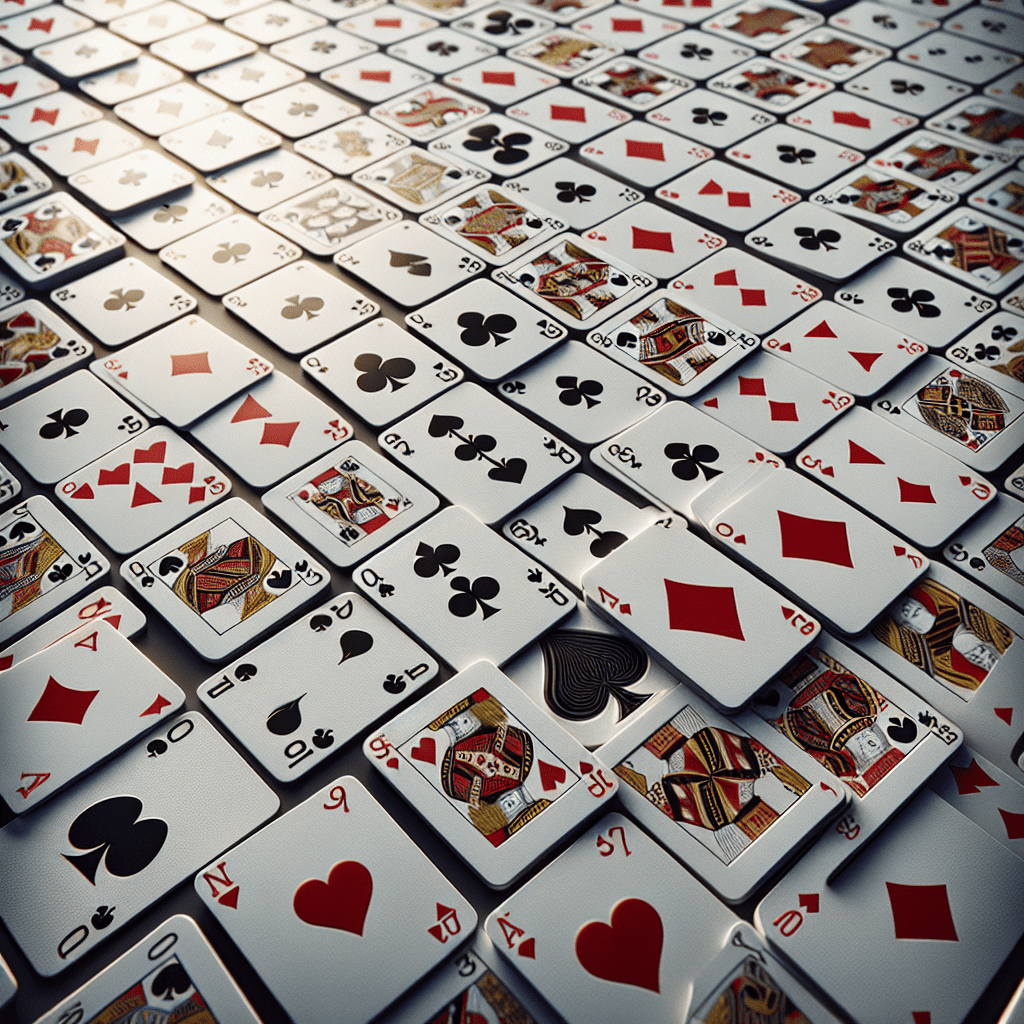
At its core, a standard poker deck consists of 52 cards. These cards are divided into four suits:
- Hearts (♥)
- Diamonds (♦)
- Clubs (♣)
- Spades (♠)
Each suit contains 13 ranks, which are:
- Ace (A)
- 2 through 10
- Jack (J)
- Queen (Q)
- King (K)
This structure is consistent across most poker games, including popular variants like Texas Hold’em, Omaha, and Seven Card Stud. However, the way these cards are used can vary significantly from one game to another.
Variations in Poker Games
While the standard poker deck contains 52 cards, some variations of poker introduce additional cards or rules that can affect the total number of cards in play. Here are a few notable examples:
- Jokers: Some home games or specific variants may include one or two jokers, bringing the total to 53 or 54 cards. Jokers can serve as wild cards, allowing players to substitute them for any other card.
- Short Deck Poker: In this variant, the deck is reduced to 36 cards by removing all cards below 6. This change alters the dynamics of the game and the probabilities involved.
- Strip Poker: While not a formal variant, strip poker often uses a standard deck but may involve players removing clothing instead of betting chips. The number of cards remains the same, but the stakes are decidedly different!
Understanding Card Distribution in Poker
In most poker games, players are dealt a specific number of cards from the deck. For instance:
- Texas Hold’em: Each player receives two hole cards, and five community cards are dealt face-up on the table.
- Omaha: Players are dealt four hole cards, with five community cards also shared.
- Seven Card Stud: Each player receives a total of seven cards, three face-down and four face-up, with no community cards.
Understanding how many cards are in a poker deck and how they are distributed is crucial for strategic gameplay. The number of cards dealt can significantly influence the odds of winning and the overall strategy employed by players.
Statistics and Probabilities in Poker
The number of cards in a poker deck also plays a vital role in calculating probabilities. For example, in Texas Hold’em, the odds of being dealt a pocket pair (two cards of the same rank) is approximately 6%. This percentage is derived from the total combinations of cards available in a standard 52-card deck.
Moreover, the probabilities of making certain hands can be calculated based on the number of cards remaining in the deck after the initial deal. For instance:
- The odds of hitting a flush draw (five cards of the same suit) after the flop is about 35%.
- The probability of completing a straight draw (five consecutive ranks) is roughly 31.5% after the turn.
These statistics are essential for players looking to make informed decisions during gameplay, as they can help assess risk and potential rewards.
Conclusion: The Importance of Knowing Your Deck
In summary, the question of how many cards are in a poker deck is straightforward: a standard deck contains 52 cards. However, the nuances of poker games, including variations and card distribution, add layers of complexity that every player should understand. Whether you’re a novice or a seasoned pro, knowing the structure of the deck and the probabilities involved can significantly enhance your gameplay experience.
As you delve deeper into the world of poker, remember that knowledge is power. Familiarizing yourself with the deck, the rules of different variants, and the statistical probabilities can give you a competitive edge at the table. So, the next time you shuffle up and deal, you’ll be well-equipped to make strategic decisions that could lead you to victory!