How Many Card Decks Are Used in Poker? A Comprehensive Guide
When it comes to the world of poker, one of the most fundamental questions that often arises is, “How many card decks are used in poker?” While the answer may seem straightforward, the nuances of poker variants, game formats, and player preferences can complicate the matter. In this article, we will explore the different types of card decks used in poker, the variations of the game, and the implications of these choices on gameplay. Whether you’re a novice player or a seasoned pro, understanding the role of card decks in poker is essential for enhancing your gaming experience.
The Standard Poker Deck
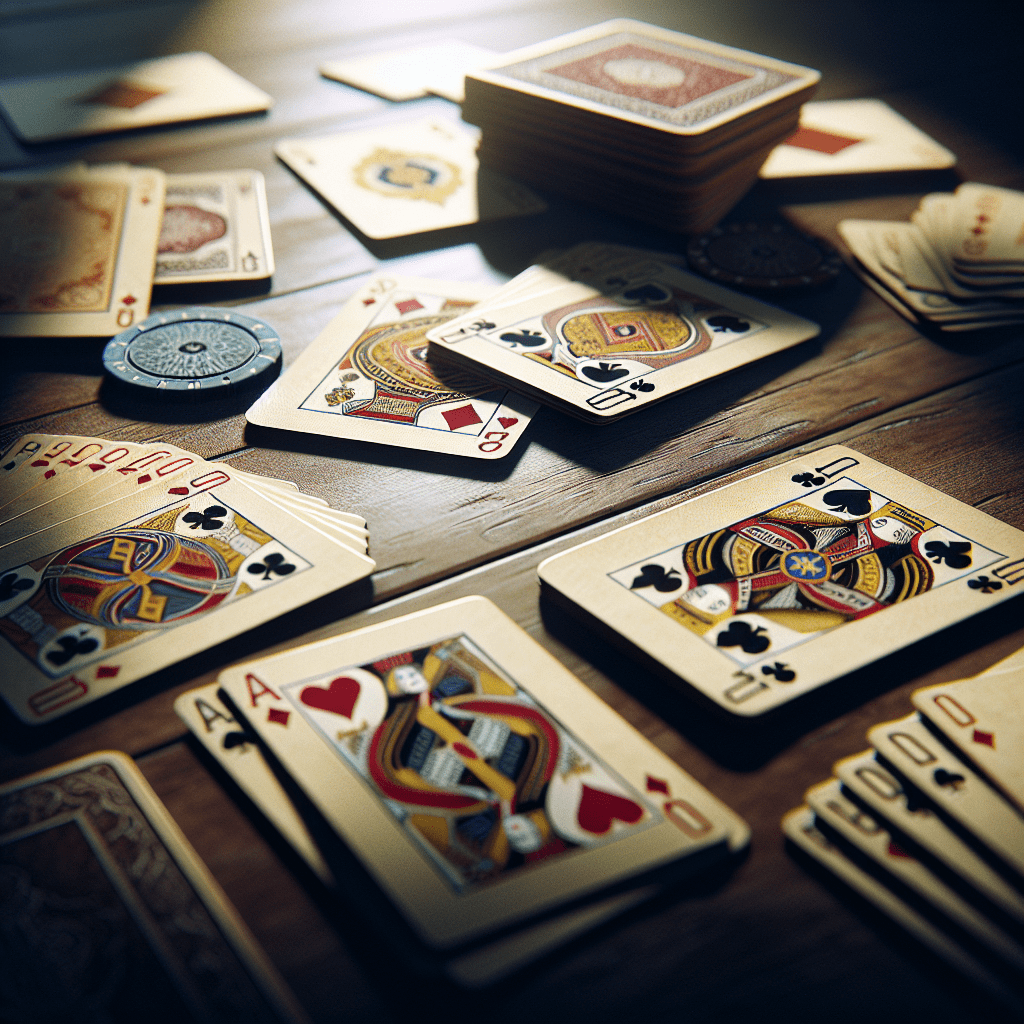
In most traditional poker games, a standard 52-card deck is used. This deck consists of four suits: hearts, diamonds, clubs, and spades, each containing 13 ranks (Ace through King). The simplicity of this deck is one of the reasons why poker has become a global phenomenon.
- Four Suits: Hearts, Diamonds, Clubs, Spades
- Thirteen Ranks: Ace, 2-10, Jack, Queen, King
In addition to the standard 52 cards, many decks also include two jokers. However, jokers are typically not used in traditional poker games. Instead, they are often employed in other card games or as wild cards in specific poker variants.
Variations of Poker and Their Decks
While the standard 52-card deck is predominant, various poker variants may utilize different deck configurations. Here are some popular poker games and their deck requirements:
- Texas Hold’em: Uses one standard 52-card deck.
- Omaha: Also employs a standard 52-card deck, but players receive four hole cards instead of two.
- Seven Card Stud: Utilizes a single 52-card deck, with players receiving a mix of face-up and face-down cards.
- Razz: A variant of Seven Card Stud that uses the same deck but focuses on low hands.
- Pineapple: Similar to Texas Hold’em but with three hole cards; still uses a standard 52-card deck.
In all these games, the standard deck remains the norm. However, the number of players and the specific rules can influence how cards are dealt and played.
Multiple Decks in Poker
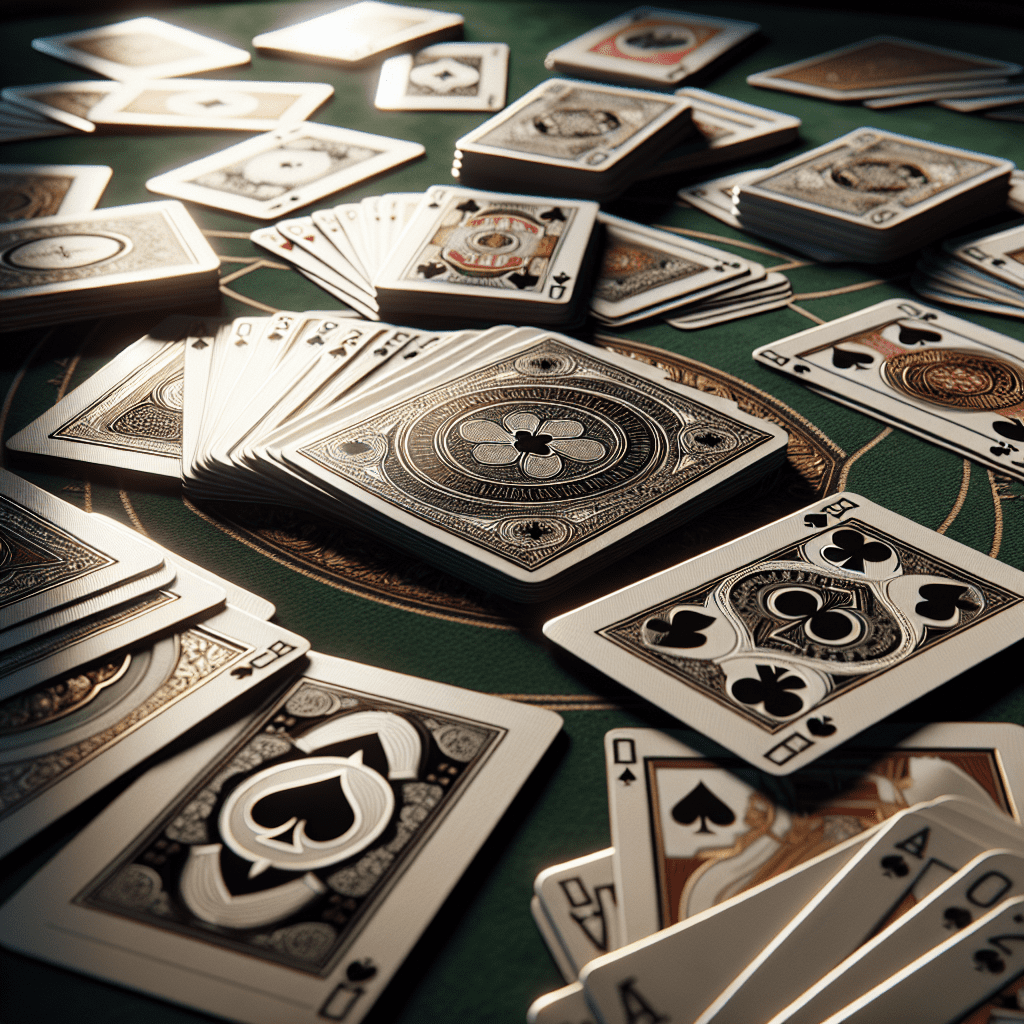
While most poker games utilize a single deck, there are instances where multiple decks may be employed. This is particularly common in home games or casual settings where players want to speed up the game or introduce unique rules. Here are some scenarios where multiple decks might be used:
- Home Games: Players may choose to use two decks to facilitate faster dealing, especially in larger groups.
- Casino Tournaments: Some tournaments may use multiple decks to ensure a continuous flow of play, especially in high-stakes environments.
- Special Variants: Certain poker variants, like Double Deck Poker, explicitly use two decks to create unique gameplay dynamics.
Using multiple decks can introduce new strategies and challenges, but it also requires players to adapt to the changes in gameplay. For instance, in Double Deck Poker, players must consider the increased number of possible hands and the implications for betting strategies.
The Impact of Deck Choice on Gameplay
The choice of card deck can significantly impact the dynamics of a poker game. Here are some factors to consider:
- Game Speed: Using multiple decks can speed up the game, allowing for quicker rounds and more hands played per hour.
- Player Strategy: The number of cards in play can affect players’ strategies, as they must account for the increased possibilities of hands and combinations.
- Card Counting: In games where multiple decks are used, traditional card counting strategies may become less effective, as the odds shift with each deck added.
Understanding these dynamics can help players make informed decisions about their gameplay and strategies, ultimately enhancing their overall experience.
Case Studies: The Use of Decks in Professional Poker
To illustrate the impact of card decks in poker, let’s look at a couple of case studies from professional poker tournaments.
Case Study 1: The World Series of Poker (WSOP)
The WSOP is one of the most prestigious poker tournaments globally, and it primarily uses a single 52-card deck for its events. The tournament’s structure and rules are designed to accommodate a large number of players, and the use of a standard deck ensures consistency across all tables. The WSOP has seen thousands of players compete, and the reliance on a single deck has helped maintain the integrity and fairness of the game.
Case Study 2: Home Game Variations
In contrast, home games often experiment with different deck configurations. For example, a group of friends might decide to play a variant of Texas Hold’em using two decks to speed up the game. This decision can lead to a more dynamic and fast-paced experience, but it also requires players to adjust their strategies accordingly. The informal nature of home games allows for such flexibility, showcasing how deck choice can influence the overall enjoyment of the game.
Conclusion: The Importance of Understanding Card Decks in Poker
In conclusion, the question of “How many card decks are used in poker?” is not as simple as it may seem. While the standard 52-card deck is the foundation for most poker games, variations and player preferences can lead to different configurations. Understanding the implications of deck choice on gameplay, strategy, and player dynamics is crucial for anyone looking to enhance their poker experience.
Whether you’re playing in a casino, participating in a tournament, or enjoying a casual home game, being aware of how many card decks are used in poker can help you make informed decisions and improve your overall strategy. As you continue your poker journey, remember that the deck is just one piece of the puzzle—your skills, strategies, and understanding of the game will ultimately determine your success at the table.