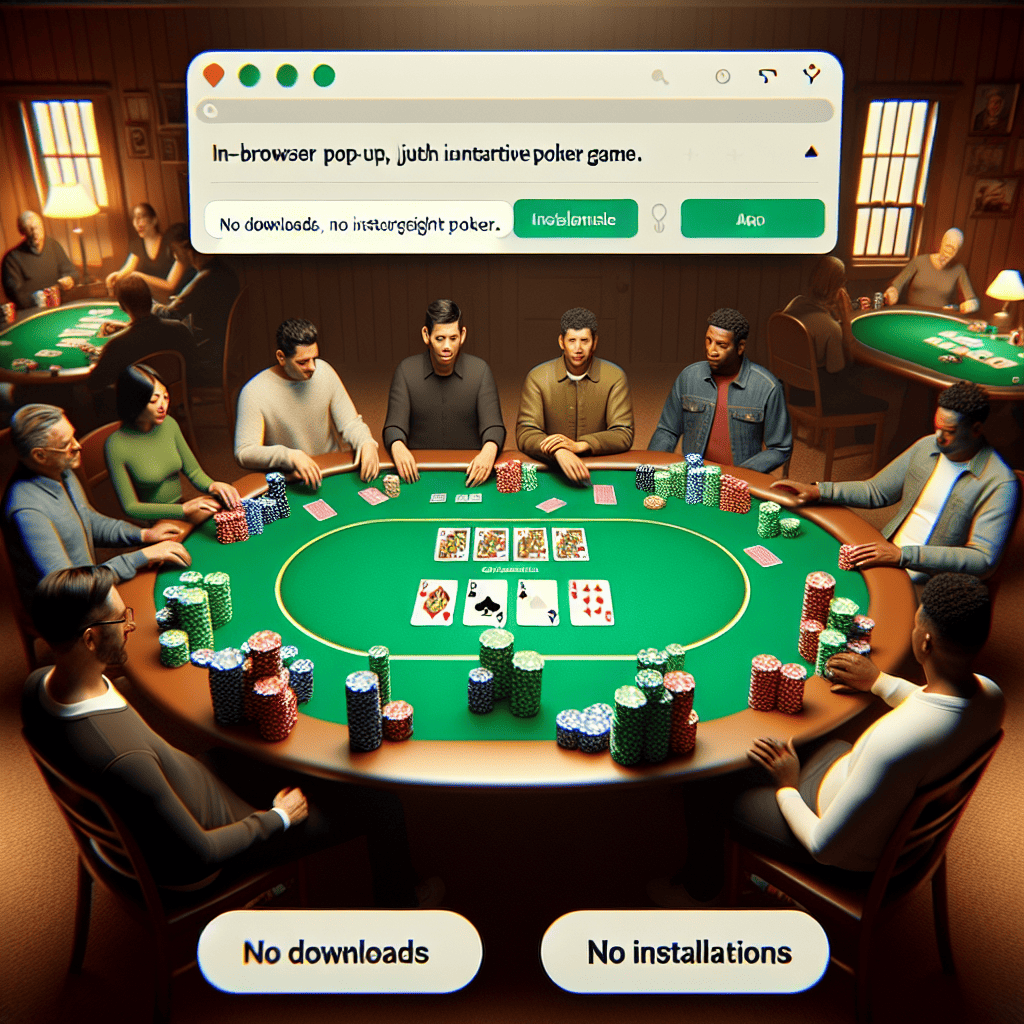
How Many Can Play Poker? Understanding the Game’s Player Dynamics

Poker is a game that has captivated millions around the globe, from smoky backroom games to glitzy casinos and online platforms. But one question often arises among enthusiasts and newcomers alike: how many can play poker? The answer is not as straightforward as it may seem, as it varies based on the type of poker being played, the format of the game, and the venue. In this article, we will explore the different aspects of poker player dynamics, including the various formats, player limits, and the social elements that make poker a unique experience.
The Basics of Poker Player Limits
At its core, poker is a game that can accommodate a range of players. The number of participants can significantly influence the game’s dynamics, strategy, and overall enjoyment. Here are some key points to consider:
- Table Size: Most poker games are played at tables designed for a specific number of players. Common formats include:
- Full Ring: Typically accommodates 9-10 players.
- Short-Handed: Usually allows for 6 players.
- Heads-Up: A one-on-one format.
- Game Variants: Different poker variants have different player limits. For example:
- Texas Hold’em: Can be played with 2 to 10 players.
- Omaha: Generally played with 2 to 10 players, but often more enjoyable with 6-8.
- Seven Card Stud: Best suited for 2 to 8 players.
Understanding the Social Aspect of Poker
While the mechanics of poker are essential, the social dynamics of the game are equally important. The number of players can affect the atmosphere and strategy involved. Here are some insights:
- Smaller Tables: With fewer players, the game tends to be more aggressive. Players may have to adapt their strategies to account for the increased likelihood of facing strong hands.
- Larger Tables: More players can lead to a more social environment, but it also means that players may need to be more patient, as the action can be slower.
- Player Interaction: The number of players can influence how much interaction occurs. In a larger game, players may not have the opportunity to engage with everyone, while smaller games foster more conversation and camaraderie.
Case Studies: Poker Tournaments vs. Cash Games
To further illustrate how player limits can vary, let’s examine two popular formats: poker tournaments and cash games.
Poker Tournaments
Tournaments can accommodate a vast number of players, often ranging from dozens to thousands. For instance, the World Series of Poker (WSOP) Main Event regularly attracts over 6,000 participants. Here’s how tournaments differ:
- Entry Fees: Players pay a buy-in to enter, which contributes to a prize pool.
- Elimination Format: Players are eliminated as they lose all their chips, leading to a dynamic where the number of players decreases over time.
- Blind Structure: Blinds increase at set intervals, which can affect strategy as the tournament progresses.
Cash Games
In contrast, cash games allow for a more flexible number of players. Here’s what sets them apart:
- Buy-In Flexibility: Players can join or leave the game at any time, making it more accessible.
- Fixed Blinds: Blinds remain constant, allowing for a different strategic approach compared to tournaments.
- Player Dynamics: The ability to leave and re-enter can lead to a more varied player pool, affecting the overall game dynamics.
Online Poker: Expanding Player Limits
The rise of online poker has transformed how many can play poker. Unlike traditional settings, online platforms can host thousands of players simultaneously. Here are some key features of online poker:
- Multi-Table Play: Players can join multiple tables at once, increasing the number of participants they can engage with.
- Variety of Games: Online platforms offer a wide range of poker variants, accommodating different player preferences.
- Global Reach: Players from around the world can compete against each other, leading to larger tournaments and diverse player interactions.
Statistics on Poker Participation
Understanding how many can play poker also involves looking at participation statistics. According to a report by the American Gaming Association:
- Approximately 60 million Americans play poker at least once a year.
- Online poker has seen a significant increase in participation, especially during the COVID-19 pandemic, with some sites reporting a 200% increase in traffic.
- In 2022, the global online poker market was valued at over $4 billion, with projections indicating continued growth.
Conclusion: The Versatility of Poker
In conclusion, the question of how many can play poker is multifaceted. The number of players can vary significantly based on the format, variant, and venue. Whether in a lively casino, an intimate home game, or an expansive online platform, poker remains a game that thrives on its social dynamics and strategic depth. Understanding these elements can enhance your experience, whether you’re a seasoned pro or a curious newcomer. As you explore the world of poker, remember that the number of players can shape not just the game itself, but also the relationships and stories that unfold around the table.