How Hard is Poker? A Deep Dive into the Complexity of the Game
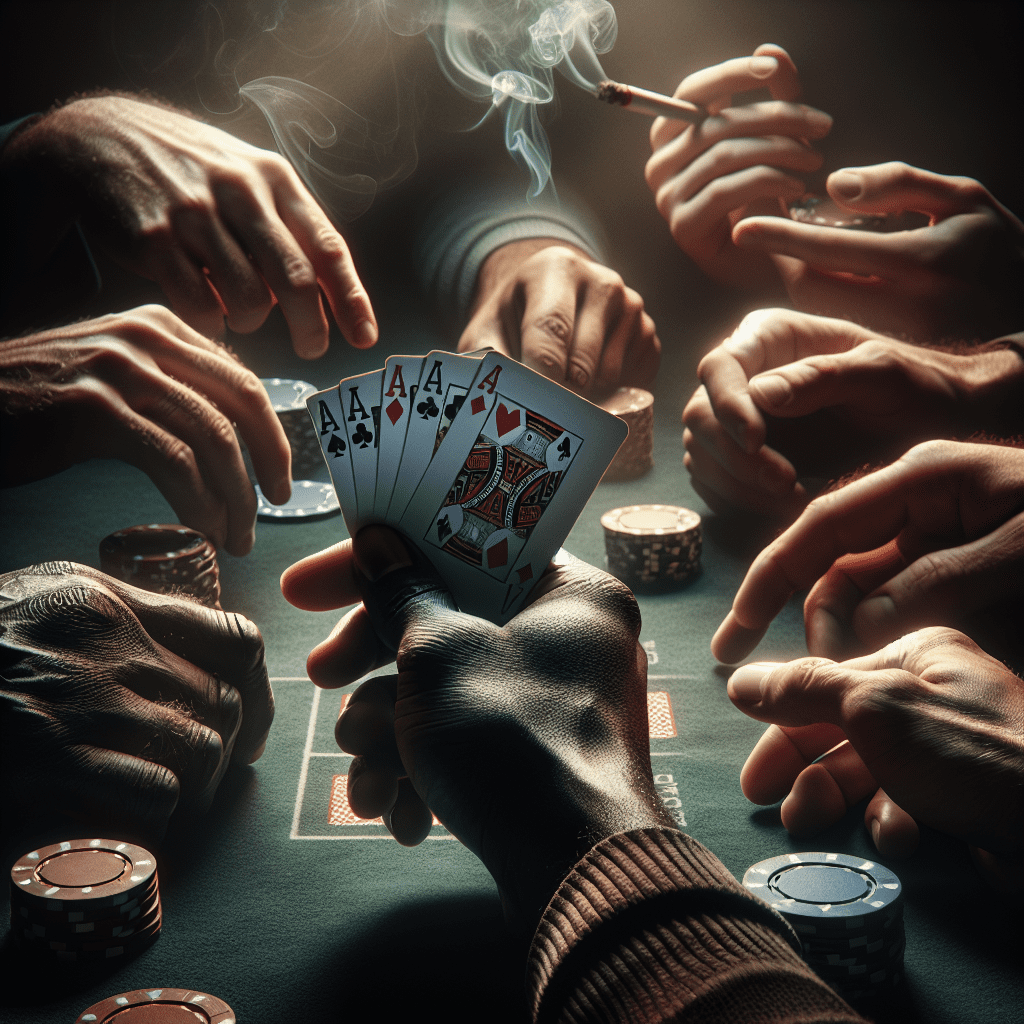
Poker is often seen as a game of chance, but for many, it is a complex blend of skill, psychology, and strategy. The question “How hard is poker?” is not just about the rules or the odds; it encompasses the mental fortitude required, the strategies involved, and the emotional resilience needed to succeed. In this article, we will explore the various dimensions of poker, from its foundational elements to the advanced strategies that separate the amateurs from the professionals.
The Basics of Poker: Understanding the Game
Before delving into the complexities, it’s essential to understand the basic structure of poker. At its core, poker is a card game that combines elements of gambling, strategy, and skill. The most popular variant, Texas Hold’em, involves players being dealt two private cards and using five community cards to make the best possible hand.
- Game Variants: There are numerous variants of poker, including Omaha, Seven-Card Stud, and Razz, each with its own set of rules and strategies.
- Hand Rankings: Understanding hand rankings is crucial. The hierarchy ranges from high card to royal flush, with each hand having its own probability of winning.
- Betting Rounds: Poker involves multiple betting rounds, where players can check, bet, raise, or fold, adding layers of strategy to the game.
The Skill Factor: More Than Just Luck
While luck plays a role in poker, skill is the defining factor for long-term success. Professional players often emphasize the importance of skill over luck, as the latter can only influence short-term outcomes.
Key Skills Required in Poker
- Mathematical Proficiency: Understanding odds and probabilities is vital. Players must calculate pot odds and implied odds to make informed decisions.
- Psychological Insight: Reading opponents is a crucial skill. Players must observe betting patterns, body language, and emotional cues to gauge the strength of their opponents’ hands.
- Strategic Thinking: Developing a solid strategy involves knowing when to be aggressive and when to play conservatively. This requires a deep understanding of game theory and opponent tendencies.
- Emotional Control: The ability to manage emotions, especially during losing streaks, is essential. Tilt—an emotional state that leads to poor decision-making—can be detrimental to a player’s success.
Case Studies: The Journey of Professional Players
To illustrate the complexities of poker, let’s look at a few case studies of professional players who have navigated the challenges of the game.
Phil Ivey: The Poker Prodigy
Phil Ivey, often referred to as one of the best poker players in the world, exemplifies the blend of skill and psychological insight. His ability to read opponents and adapt his strategy has earned him millions in tournament winnings. Ivey’s journey highlights the importance of continuous learning and adaptation in poker.
Vanessa Selbst: Breaking Barriers
Vanessa Selbst is another notable figure in the poker world. As one of the highest-earning female players, she has shattered stereotypes and demonstrated that success in poker is attainable regardless of gender. Selbst’s analytical approach and aggressive playing style have made her a formidable opponent at the tables.
The Learning Curve: How Hard is Poker for Beginners?
For beginners, the learning curve in poker can be steep. Many new players underestimate the complexity of the game, often believing that it is merely about luck. However, as they delve deeper, they realize that mastering poker requires dedication and practice.
- Initial Learning: New players must familiarize themselves with the rules, hand rankings, and basic strategies. This foundational knowledge is crucial for making informed decisions.
- Practice and Experience: Like any skill, poker improves with practice. Many players start with low-stakes games to gain experience without significant financial risk.
- Study and Analysis: Successful players often study hand histories, analyze their gameplay, and learn from mistakes. Resources such as books, online courses, and coaching can accelerate this learning process.
The Role of Technology in Modern Poker
In recent years, technology has transformed the landscape of poker. Online platforms have made the game more accessible, while software tools have enhanced players’ analytical capabilities.
- Online Poker: The rise of online poker has allowed players to compete against a global pool of opponents, increasing the level of competition.
- Tracking Software: Tools like PokerTracker and Hold’em Manager enable players to analyze their performance and that of their opponents, providing valuable insights for improvement.
- Artificial Intelligence: AI has begun to play a role in poker strategy development. Programs like Libratus have demonstrated that AI can outperform human players in certain scenarios, pushing the boundaries of strategic thinking.
Conclusion: The Complexity of Poker
So, how hard is poker? The answer is multifaceted. While the basic rules may be easy to grasp, the depth of strategy, psychology, and skill required to excel makes it a challenging endeavor. For those willing to invest time and effort into learning and improving, poker can be a rewarding pursuit—both intellectually and financially.
Ultimately, poker is not just a game of cards; it is a test of character, strategy, and resilience. Whether you are a casual player or aspiring to become a professional, understanding the complexities of poker will enhance your experience and improve your chances of success at the table.