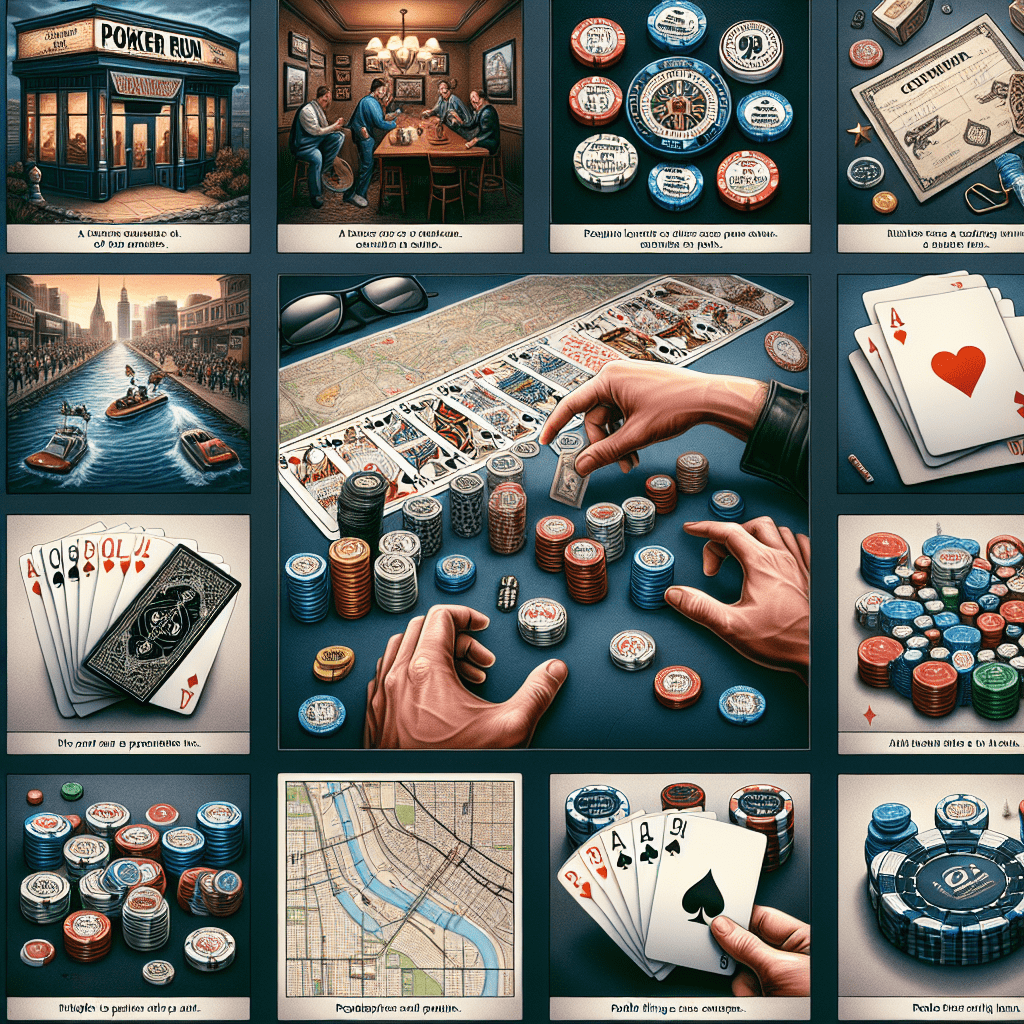
How Does a Poker Run Work? A Fun Mix of Cards, Rides, and Community
Imagine revving up your motorcycle (or starting your boat, car, or even bicycle) alongside a bunch of other enthusiasts, all ready to embark on a scenic route filled with pit stops. At each stop, you draw a playing card, and by the end of the journey, you’re hoping to have the best poker hand at the table. That’s the essence of a poker run—a combination of adventure, camaraderie, and a dash of gambling thrill. Let’s walk through how it all comes together.

1. The Basics: Cards and Checkpoints
- Entry Fee & Registration: Most poker runs start with participants paying an entry fee (often for charity). You might get a T-shirt or a free meal ticket thrown in. At registration, you’ll likely pick up your first playing card—or, at minimum, a card that says, “Stop #1.”
- The Route & Checkpoints: Organizers lay out a series of checkpoints—these could be local diners, scenic overlooks, or sponsor businesses. Each checkpoint is where you draw a new card. By the end of the run, you’ll have five (or sometimes more) cards total.
- Best Hand Wins: After you’ve visited all checkpoints, you’ll turn in your final hand. Whoever has the highest-ranking poker hand typically takes home a prize, although many runs also award something for the “worst” hand or other fun categories.
2. A Brief History: From Motorcycles to Boats
Poker runs originated in motorcycle culture back in the 1970s. Bikers were looking for a fresh way to raise money for charity and have some fun on the open road. The idea caught on—and not just among bikers. Now you see boat poker runs on lakes and rivers, car poker runs on highways, and even bicycle poker runs on quieter roads or trails. The unifying theme? Draw cards at multiple stops, then see who ends up with the best five-card hand.
3. Step-by-Step: What Actually Happens in a Poker Run
- Planning the Route: Organizers pick a route that’s both scenic and safe, spacing out checkpoints at interesting or sponsor-friendly spots.
- Registration Morning: Participants arrive, pay (if they haven’t prepaid), sign waivers, and maybe pick up some freebies.
- Drawing That First Card: Often, you’ll get your first card at registration. Alternatively, your first official “stop” might be right there at the starting line.
- Heading Out: Participants set off—sometimes all at once in a big group, other times staggered. Along the route, you’ll enjoy the ride, meet friendly locals, and eventually reach your next checkpoint.
- Checkpoint Ritual: At each stop, you draw a new card. Organizers might mark it down on a card slip or give you a physical card to keep.
- Final Reveal: After visiting all stops, everyone reconvenes to compare hands. This part is half the fun—everyone’s chatting, seeing who got lucky, and crossing fingers for a big win.
- Prizes & Socializing: Organizers hand out prizes (cash, donated items, trophies, etc.) for the best (and sometimes worst) poker hands. Typically, it ends with a party vibe, live music, or a meal—depending on the event’s scale.
4. Tips for Organizing (or Joining) a Poker Run
- Pick a Worthy Cause: Many poker runs donate proceeds to charities. It boosts motivation and helps with promotions.
- Partner with Local Businesses: They can serve as checkpoints, offer discounts, or supply raffle items.
- Plan for Safety: Make sure the route isn’t too tricky or dangerous, and that participants understand any relevant traffic rules or boating regulations.
- Spread the Word: Social media, flyers, and local news outlets are great ways to attract participants beyond just your usual crowd.
- Offer Extra Fun: Consider awards for “best costume” or “coolest ride,” and maybe a live band or BBQ at the end to keep folks engaged.
5. Real-World Examples
Sturgis Motorcycle Rally: Famous for its huge annual turnouts, Sturgis often includes a big poker run among the festivities, raising significant money for local charities.
Ride for Kids: A series of motorcycle poker runs across different states in the U.S., with proceeds helping pediatric brain tumor research. It’s a great example of how these events can make a difference.
6. Final Thoughts: Embrace the Ride, Enjoy the Cards
A poker run is more than a game—it’s an experience. Whether you’re revving up a Harley, cruising on a pontoon boat, or just riding in a classic convertible, you’ll combine the thrill of the journey with the excitement of building a poker hand. Throw in a dash of competition, a good cause, and maybe a scenic route, and you’ve got a recipe for a memorable day.
So if you’re curious about how a poker run works, it’s pretty simple: pay your entry, follow the route, collect cards at each stop, and hope lady luck smiles on you when it’s time to reveal your hand. Win or lose, the camaraderie and the adventure are what keep people coming back year after year. Safe travels—and good cards!