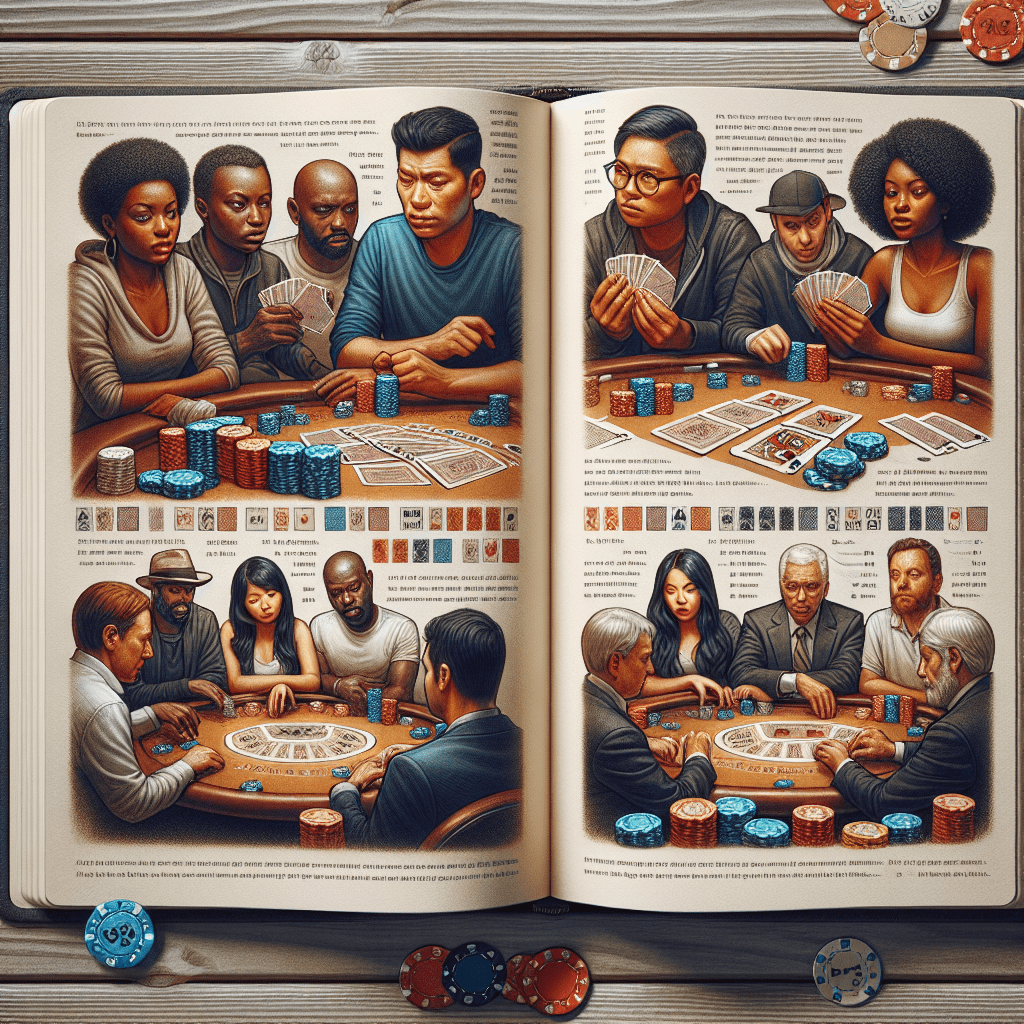
How Do You Play Poker? A Comprehensive Guide

Poker is not just a game of chance; it’s a strategic battle of wits, psychology, and skill. Whether you’re a novice looking to learn the ropes or an experienced player seeking to refine your strategy, understanding the fundamentals of poker is essential. In this article, we will explore the basics of how to play poker, the different variations of the game, and some strategies to enhance your gameplay.
Understanding the Basics of Poker
At its core, poker is a card game that combines gambling, strategy, and skill. The objective is to win chips or money by either having the best hand at showdown or convincing other players to fold their hands. Here are some key components to understand:
- Players: Poker can be played with 2 to 10 players at a table.
- Deck: A standard 52-card deck is used, with no jokers.
- Betting Rounds: Players take turns betting, raising, or folding during several rounds.
- Hand Rankings: Familiarize yourself with poker hand rankings, from high card to royal flush.
How Do You Play Poker? The Game Flow
To grasp how to play poker effectively, it’s crucial to understand the flow of the game. Here’s a step-by-step breakdown:
- Blinds and Antes: In games like Texas Hold’em, players post blinds to initiate betting. In other variants, players may post antes.
- Dealing Cards: Each player receives a set number of cards, depending on the variant. For instance, in Texas Hold’em, players get two hole cards.
- Betting Rounds: Players can check, bet, call, raise, or fold during each round. The first round begins after the cards are dealt.
- Community Cards: In games like Texas Hold’em, community cards are dealt face-up on the table, which all players can use to form their hands.
- Showdown: If multiple players remain after the final betting round, a showdown occurs where players reveal their hands to determine the winner.
Popular Variations of Poker
While there are many variations of poker, some of the most popular include:
- Texas Hold’em: The most widely played variant, known for its strategic depth.
- Omaha: Similar to Texas Hold’em but players receive four hole cards and must use two of them.
- Seven-Card Stud: Players receive seven cards, three face-down and four face-up, with no community cards.
- Five-Card Draw: Players are dealt five cards and can exchange some or all of them for new ones in hopes of improving their hand.
Strategies for Success
To elevate your poker game, consider these strategies:
- Position Matters: Being last to act gives you more information about your opponents’ actions.
- Know Your Opponents: Pay attention to their betting patterns and tendencies.
- Manage Your Bankroll: Set limits on how much you’re willing to lose and stick to them.
- Practice Patience: Good poker players know when to fold and wait for better opportunities.
Conclusion
Learning how to play poker is an exciting journey that combines skill, strategy, and a bit of luck. By understanding the basics, familiarizing yourself with different variations, and employing effective strategies, you can enhance your gameplay and enjoy the thrill of the game. Remember, poker is as much about reading your opponents as it is about the cards you hold. So gather your friends, shuffle the deck, and dive into the captivating world of poker!