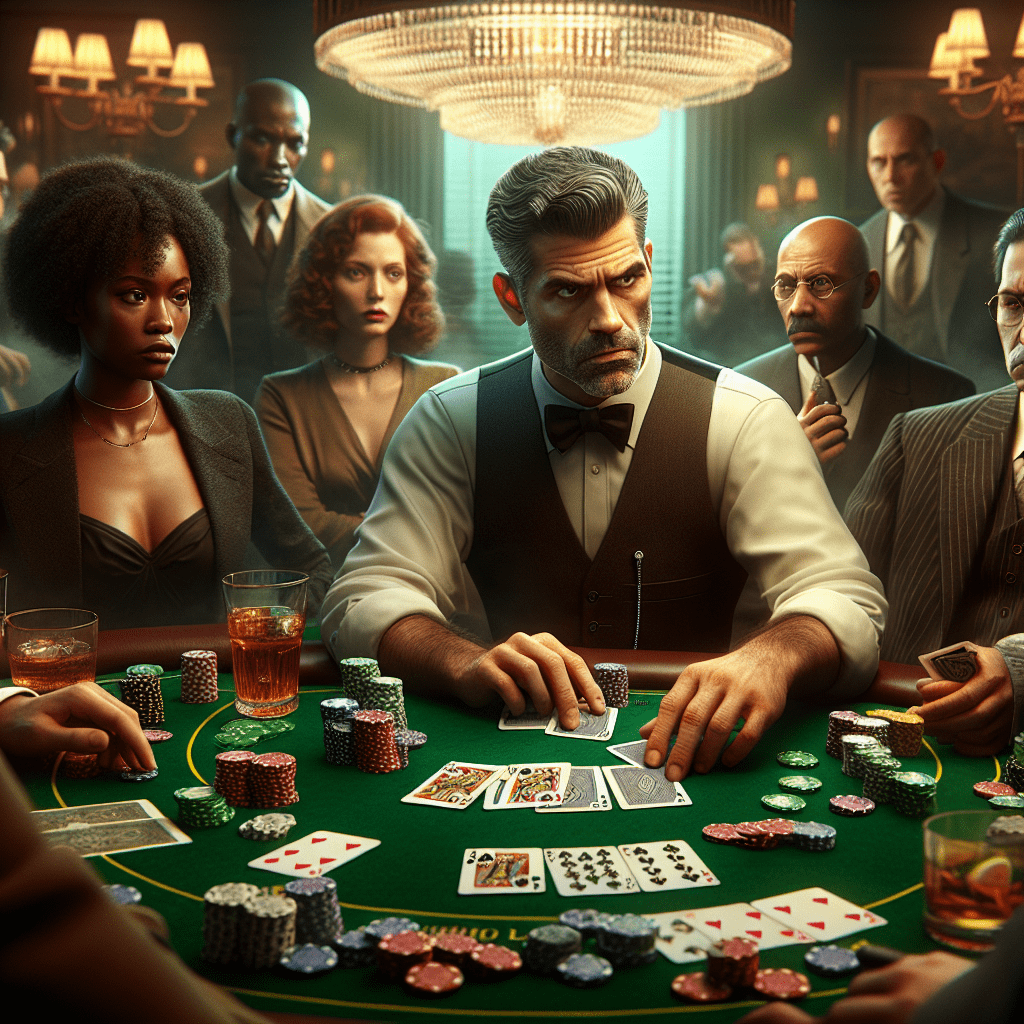
Does the Dealer Play in Poker? Understanding the Role of the Dealer

Poker is a game steeped in strategy, psychology, and a bit of luck. As players sit around the table, they often focus on their opponents, calculating odds, and deciding when to bluff or fold. However, one question that frequently arises is: does the dealer play in poker? This article delves into the role of the dealer, the mechanics of the game, and how the dealer’s position influences the dynamics of play.
The Role of the Dealer in Poker
In poker, the dealer serves a crucial function, but their role can vary significantly depending on the type of game being played. Here are some key points to consider:
- Game Facilitator: The dealer is responsible for shuffling and dealing the cards, managing the pot, and ensuring that the game runs smoothly.
- House Dealer vs. Player Dealer: In casino settings, a house dealer is employed, while in home games, players often take turns dealing.
- Dealer Button: The dealer button rotates clockwise around the table, indicating the dealer’s position and determining the order of betting.
While the dealer’s primary responsibility is to facilitate the game, their position can also influence the strategies employed by players. Understanding this dynamic is essential for anyone looking to improve their poker skills.
Does the Dealer Play in Poker? A Closer Look
When asking, “Does the dealer play in poker?” it’s important to clarify what is meant by “play.” In most traditional poker games, the dealer does not participate as a player. Instead, they act as an impartial arbiter. However, there are nuances to consider:
- House Rules: In some informal settings, the dealer may also play, but this is not common in professional or casino games.
- Dealer’s Advantage: The dealer’s position can provide strategic advantages, such as acting last in betting rounds, which can influence decision-making.
- Game Variants: In certain poker variants, like “Dealer’s Choice,” the dealer may have a more active role in determining the game type, but they still do not play against the other players.
In essence, while the dealer does not play in the traditional sense, their role is pivotal in shaping the game’s flow and dynamics.
The Dealer’s Influence on Game Dynamics
The dealer’s position can significantly impact the strategies employed by players. Here are some ways in which the dealer influences the game:
- Positioning: Players seated to the left of the dealer act first in betting rounds, which can be a disadvantage. Conversely, players on the dealer’s right have the advantage of seeing how others act before making their decisions.
- Betting Patterns: The dealer’s actions, such as shuffling and dealing, can create a rhythm that players may adapt to, influencing their betting strategies.
- Psychological Factors: Players may perceive the dealer’s demeanor and actions as indicators of the game’s flow, which can affect their confidence and decision-making.
Understanding these dynamics can help players develop more effective strategies and improve their overall game performance.
Case Studies: The Impact of the Dealer in Professional Poker
To illustrate the dealer’s influence, let’s examine a few notable cases from professional poker tournaments:
- World Series of Poker (WSOP): In high-stakes tournaments like the WSOP, the dealer’s role is strictly regulated. Players must adapt their strategies based on the dealer’s position and the betting patterns established during the game.
- Online Poker: In online formats, the dealer is automated, but the principles remain the same. Players must adjust their strategies based on their position relative to the virtual dealer.
- Home Games: In casual settings, where players may also act as dealers, the dynamics can shift dramatically. Players may take liberties with rules, which can lead to different strategic considerations.
These examples highlight how the dealer’s role, while not directly involved in gameplay, can significantly influence the strategies and outcomes of poker games.
Statistics and Trends: The Dealer’s Impact on Game Outcomes
While quantifying the dealer’s impact on game outcomes can be challenging, some statistics provide insight into how position and dealer dynamics affect play:
- Position Statistics: Studies show that players in late position (closer to the dealer) win approximately 60% of the time compared to those in early positions.
- Bluffing Frequency: Players are more likely to bluff when they are in a later position, as they can gauge their opponents’ reactions before making a move.
- Win Rates: Players who understand the importance of position and adapt their strategies accordingly tend to have higher win rates in both cash games and tournaments.
These statistics underscore the importance of understanding the dealer’s role and how it affects gameplay dynamics.
Conclusion: The Dealer’s Role in Poker Strategy
In conclusion, while the dealer does not play in poker in the traditional sense, their role is integral to the game’s structure and flow. Understanding the dealer’s influence on positioning, betting patterns, and psychological factors can provide players with a strategic advantage. Whether in a casino or a home game, recognizing the nuances of the dealer’s role can enhance a player’s overall performance and enjoyment of the game.
As you continue your poker journey, remember that every aspect of the game, including the dealer’s position, can impact your strategy and outcomes. Embrace these insights, and you may find yourself navigating the complexities of poker with greater confidence and success.