Does 2 Pairs Beat 1 Pair in Poker? Understanding Hand Rankings

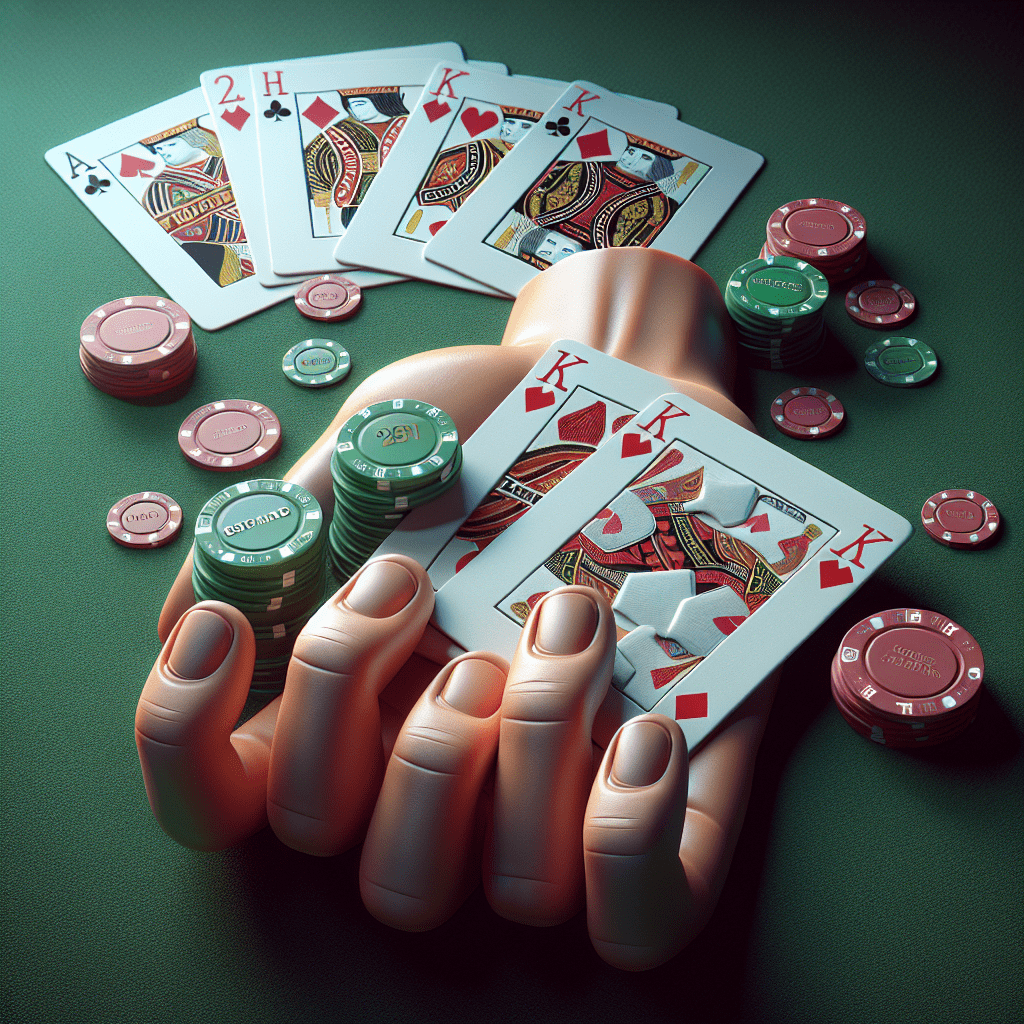
When it comes to poker, understanding hand rankings is crucial for both novice and seasoned players. One of the most common questions that arise during gameplay is, “Does 2 pairs beat 1 pair in poker?” This question is fundamental to the strategy and decision-making process in the game. In this article, we will explore the hierarchy of poker hands, delve into the nuances of two pairs versus one pair, and provide insights that can enhance your poker skills.
The Basics of Poker Hand Rankings
Before we dive into the specifics of two pairs and one pair, it’s essential to understand the overall ranking of poker hands. Poker hands are ranked from highest to lowest as follows:
- Royal Flush: A, K, Q, J, 10 of the same suit.
- Straight Flush: Five consecutive cards of the same suit.
- Four of a Kind: Four cards of the same rank.
- Full House: Three of a kind plus a pair.
- Flush: Five cards of the same suit, not in sequence.
- Straight: Five consecutive cards of different suits.
- Three of a Kind: Three cards of the same rank.
- Two Pairs: Two different pairs of cards.
- One Pair: Two cards of the same rank.
- High Card: The highest card when no other hand is made.
From this ranking, it is clear that two pairs hold a higher value than one pair. But let’s break this down further to understand why this is the case.
Understanding Two Pairs vs. One Pair
In poker, the strength of your hand can significantly influence your betting strategy and overall success in the game. Here’s a closer look at the differences between two pairs and one pair:
What is One Pair?
One pair consists of two cards of the same rank, along with three other unrelated cards. For example, if you have a hand containing 8♠, 8♦, K♣, 4♥, and 2♣, you have one pair of eights. The strength of your one pair is determined by the rank of the pair and the highest card among the remaining three cards, known as the “kicker.”
What is Two Pairs?
Two pairs consist of two different pairs of cards, plus one unrelated card. For instance, if your hand includes 9♣, 9♦, 4♠, 4♥, and J♣, you have two pairs: nines and fours. The strength of two pairs is determined first by the higher pair, then by the lower pair, and finally by the kicker if necessary.
Does 2 Pairs Beat 1 Pair in Poker? The Answer is Yes!
To answer the question directly: yes, two pairs do beat one pair in poker. This is a fundamental rule in the game and is crucial for players to understand. Here’s why:
- Higher Hand Ranking: As mentioned earlier, two pairs are ranked higher than one pair in the official poker hand rankings.
- Increased Winning Potential: Having two pairs generally indicates a stronger hand, which can lead to higher chances of winning against opponents.
- Strategic Advantage: Players with two pairs can often leverage their hand strength to bluff or force opponents to fold, enhancing their overall strategy.
Case Studies: Two Pairs vs. One Pair in Action
To illustrate the importance of understanding hand rankings, let’s consider a couple of hypothetical scenarios:
Scenario 1: The Showdown
Imagine a poker game where Player A has a hand of 10♠, 10♦, 5♣, 3♥, and 2♣ (one pair of tens), while Player B holds 9♣, 9♦, 4♠, 4♥, and J♣ (two pairs of nines and fours). In this showdown:
- Player A reveals their hand with one pair of tens.
- Player B reveals their hand with two pairs of nines and fours.
Player B wins the hand because two pairs beat one pair according to the established hand rankings.
Scenario 2: The Betting Strategy
In another scenario, let’s say Player C has a hand of K♠, K♦, 7♣, 6♥, and 5♣ (one pair of kings), while Player D has 8♣, 8♦, 3♠, 3♥, and Q♣ (two pairs of eights and threes). Here’s how the betting might unfold:
- Player C might feel confident with their pair of kings and bet aggressively.
- Player D, knowing they have two pairs, could either call or raise, leveraging their stronger hand.
Ultimately, Player D would win the hand, reinforcing the idea that understanding hand rankings can significantly impact betting strategies.
Statistics and Probabilities
Understanding the statistical probabilities of drawing certain hands can also enhance your poker game. Here are some relevant statistics:
- The probability of being dealt one pair in a five-card hand is approximately 42.256%.
- The probability of being dealt two pairs is about 4.753%.
- In a standard deck of 52 cards, there are 123,552 possible combinations for two pairs compared to 1,098,240 combinations for one pair.
These statistics highlight that while one pair is more common, two pairs are significantly stronger and rarer, making them a valuable asset in poker.
Conclusion: The Importance of Hand Rankings in Poker
In conclusion, understanding whether two pairs beat one pair in poker is essential for any player looking to improve their game. The hierarchy of poker hands is not just a set of rules; it’s a strategic framework that can dictate your betting behavior and overall success at the table. By recognizing the strength of your hand and the potential of your opponents’ hands, you can make more informed decisions that lead to better outcomes.
Remember, poker is not just about the cards you hold; it’s also about how you play them. So, the next time you find yourself asking, “Does 2 pairs beat 1 pair in poker?” you can confidently answer: yes, and use that knowledge to your advantage!